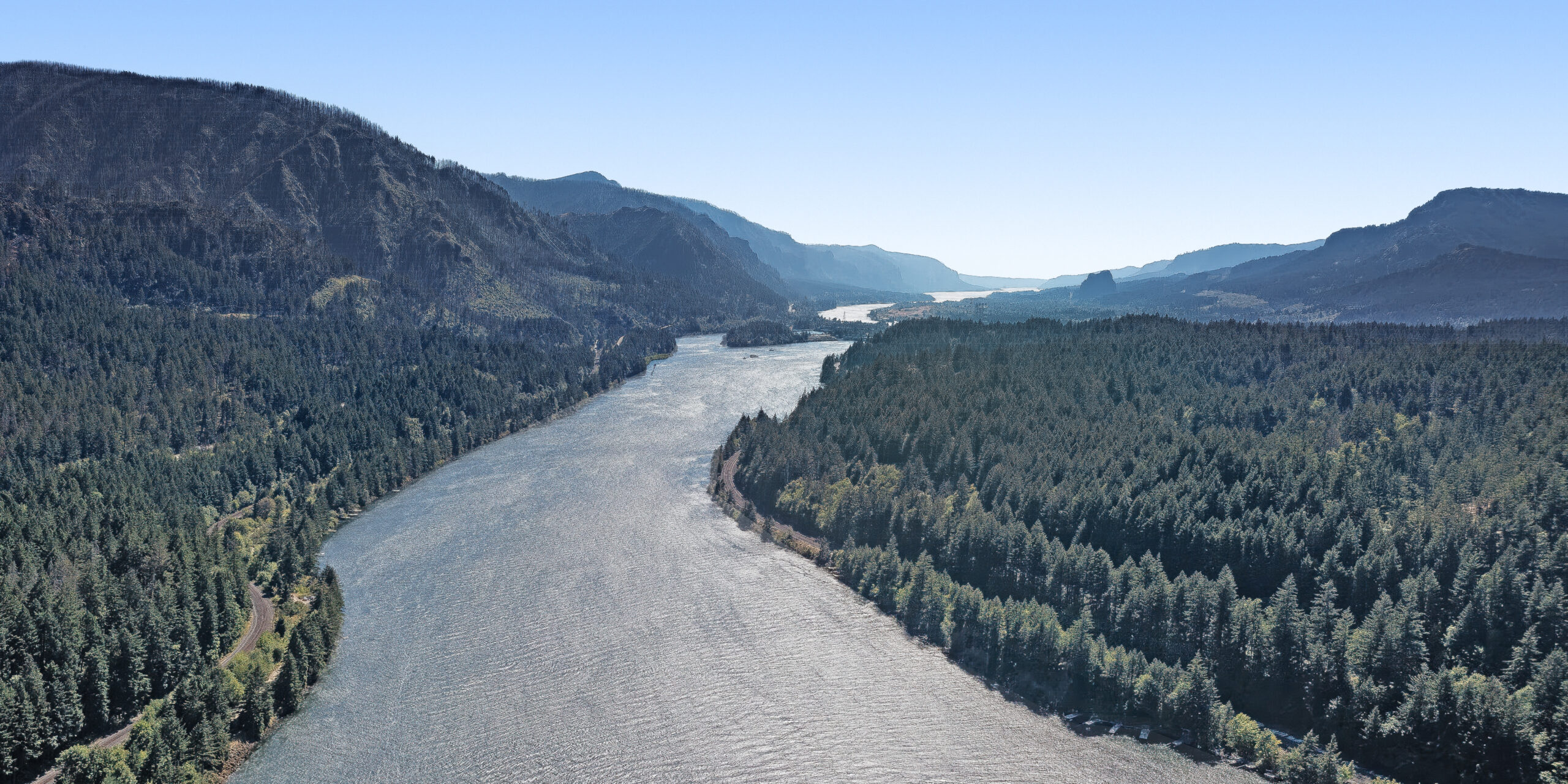
Columbia River Gorge National Scenic Area Act
The Columbia River Gorge National Scenic Area Act (the “Act”), passed by Congress in 1986, created the National Scenic Area and set the rules for how it should be managed. It formed the Columbia River Gorge Commission to enable Oregon and Washington to work together. The Act also required the Columbia River Gorge Commission and USDA Forest Service to create a regional management plan, and for counties to follow that plan in their land use rules.
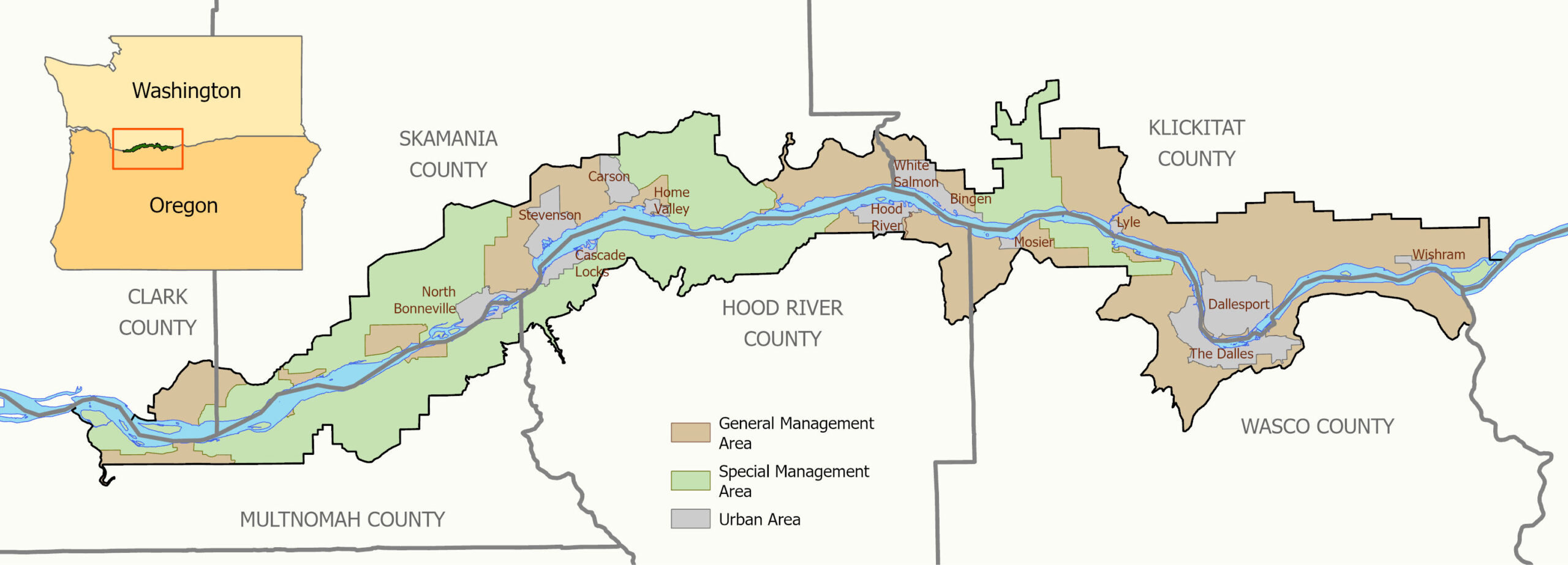
The Act divides the land into three main types:
- Special Management Areas – These areas include some of the Gorge’s most sensitive and protected resources. The USDA Forest Service prepares land use designations and rules for these areas.
- Urban Areas – These are towns and cities that are not covered by the land use rules in the management plan.
- General Management Area – This is not a formal title in the Act, though it’s the name used for the rest of the lands within the National Scenic Area. The Gorge Commission is the main agency responsible for planning in this area.